



What Materials Are Best for Laboratory Seating in Chemical Labs?
Choosing the right laboratory seating materials for chemical labs is important because lab stools and chairs are exposed to chemicals, moisture, frequent cleaning and long working hours. The material used for seating directly affects its durability, hygiene, maintenance requirements and overall performance.
Unlike regular office seating, laboratory furniture needs to withstand demanding working conditions. Chemical laboratories, pharmaceutical facilities and research centres require seating solutions that can maintain strength and appearance even with daily exposure to cleaning agents and accidental chemical spills.
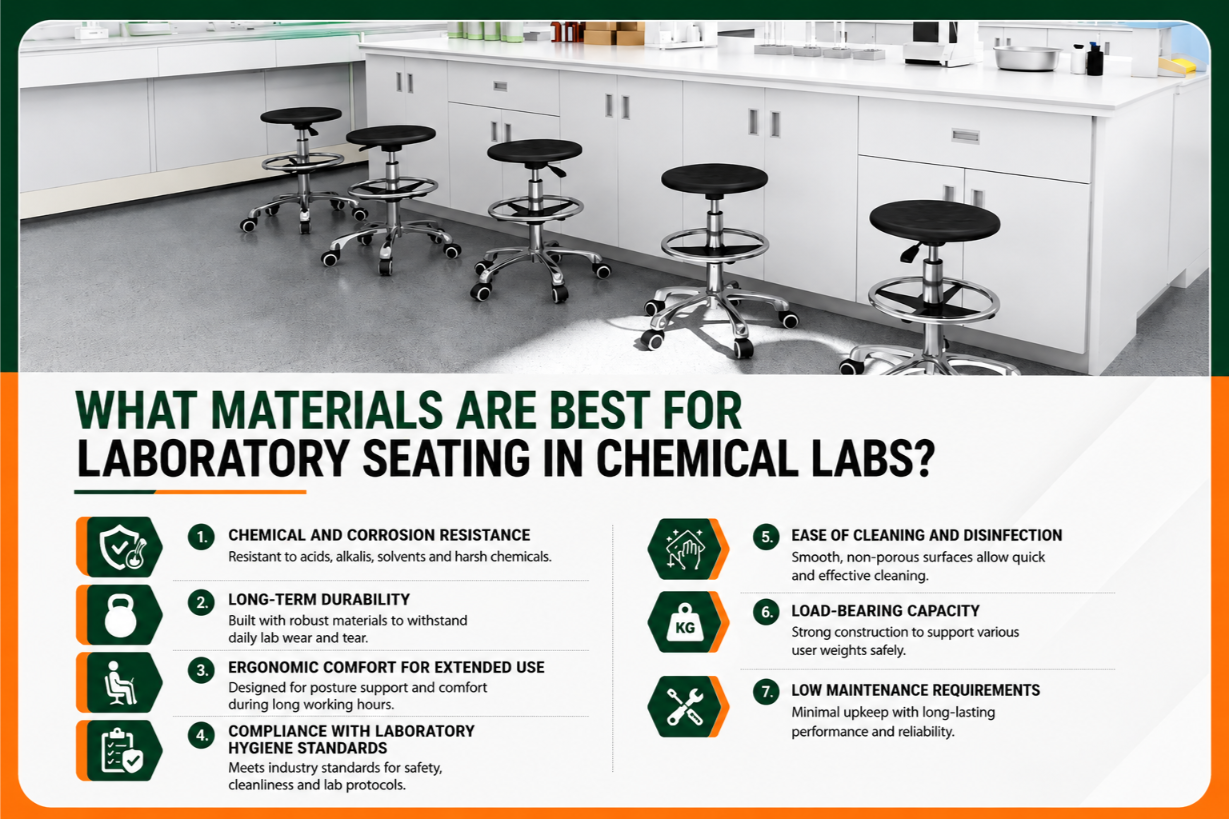
Among the different options available, stainless steel is one of the most preferred choices for demanding lab environments because of its corrosion resistance, durability and easy maintenance. For facilities looking for a reliable seating solution, stainless steel laboratory stools provide a practical option designed for long-term laboratory use.
Understanding the Importance of Laboratory Seating Materials
The material selected for lab seating plays an important role in creating a safe and efficient working environment. Since laboratory stools are used near chemicals, testing equipment and workstations, they need to provide consistent performance under challenging conditions.
A suitable seating material should offer resistance against corrosion, be easy to clean and maintain its structural strength over years of use. This is especially important for chemical labs, pharmaceutical laboratories and research facilities where hygiene and reliability are essential.
When selecting seating materials, buyers generally consider factors such as durability, chemical compatibility, maintenance requirements and user comfort to ensure the furniture meets their specific laboratory needs.
How Chemical Exposure Affects Laboratory Seating
Chemical exposure can significantly impact the lifespan of lab seating if the material is not suitable for the environment. Acids, solvents, moisture and cleaning chemicals may cause surface damage, corrosion or weakening of low-quality materials over time.
This is why chemical laboratories usually require seating materials that can withstand regular exposure while remaining easy to maintain. Materials with poor resistance may require frequent replacement, increasing long-term maintenance costs.
Stainless steel is commonly selected for these applications because it offers strong resistance against corrosion and maintains its performance in demanding laboratory environments.
Common Materials Used for Laboratory Seating
Laboratory seating is available in different materials, and the right choice depends on where the stools or chairs will be used. Chemical labs, pharmaceutical facilities and research environments often have different requirements based on chemical exposure, hygiene standards and daily usage.
While materials such as plastic, polyurethane and coated metals are used for certain applications, stainless steel remains one of the most widely preferred options for demanding lab environments. Its combination of strength, corrosion resistance and easy maintenance makes it suitable for long-term laboratory use.
Understanding the advantages and limitations of each material helps facility managers and procurement teams select seating that matches their working conditions.
Stainless Steel Laboratory Seating for Chemical Environments
Stainless steel is one of the most reliable materials used for laboratory stools and seating because it performs well in environments where durability and cleanliness are important. Its corrosion-resistant properties make it suitable for chemical labs where exposure to moisture, chemicals and cleaning solutions is common.
The smooth surface of stainless steel also makes it easier to clean and maintain compared with materials that can absorb stains or degrade over time. This makes it a preferred choice for pharmaceutical labs, research centres, testing facilities and other controlled environments.
Key benefits of stainless steel laboratory seating include:
- High corrosion resistance: Protection against chemical fumes, spills, and humidity.
- Long service life: Structural integrity that outlasts alternative materials.
- Easy cleaning and maintenance: Smooth, non-porous finish for GMP compliance.
- Strong structural performance: Heavy load-bearing capacity without bending or flexing.
Plastic and Polypropylene Laboratory Seating Options
Plastic and polypropylene seating are commonly used in laboratories where lightweight furniture and cost efficiency are important. These materials can be suitable for environments with lower chemical exposure and less demanding working conditions.
However, compared with stainless steel, plastic seating may have limitations when exposed to certain chemicals, high temperatures or heavy daily usage. The suitability of plastic seating depends on the specific application and the type of substances used in the lab.
For general-purpose laboratories, educational facilities or areas with limited chemical exposure, plastic seating can be a practical option. For more demanding chemical environments, buyers often consider stronger materials with higher resistance.
Polyurethane and Coated Laboratory Seating Materials
Polyurethane and coated materials are also used in laboratory chairs and stools because they offer comfort, flexibility and resistance to everyday wear. These materials are often selected for applications where user comfort and ergonomic support are important.
Coated seating can provide additional protection against stains and moisture, but the durability depends on the quality of the coating and the working environment. Regular exposure to aggressive chemicals may affect the coating performance over time.
When choosing between polyurethane, coated materials and stainless steel, laboratories should consider the level of chemical exposure, cleaning requirements and expected service life of the seating.
Comparing Laboratory Seating Materials for Chemical Labs
Selecting the right material for lab seating requires more than comparing appearance or initial cost. The ideal material should support the laboratory's operational needs while providing reliable performance over many years.
Chemical resistance, cleaning requirements and durability are some of the most important factors considered by laboratories when choosing stools and chairs. A material that performs well in one environment may not always be suitable for another.
For this reason, procurement teams should evaluate seating materials based on the actual conditions of their facility rather than choosing only based on price.
Chemical Resistance and Durability Comparison
Chemical resistance determines how well a seating material can handle exposure to laboratory substances without losing its performance. In chemical labs, seating may come into contact with acids, solvents, cleaning agents and moisture during regular operations.
Stainless steel generally provides better resistance against corrosion and chemical exposure compared with many conventional materials. This makes it suitable for laboratories where furniture needs to remain functional and visually clean despite challenging conditions.
Choosing a durable material helps reduce replacement frequency and supports a more reliable laboratory setup.
Cleaning and Hygiene Considerations
Maintaining hygiene is a major requirement in many laboratory environments, especially pharmaceutical, biotechnology and testing facilities. Seating surfaces should allow easy cleaning and should not create areas where contaminants can accumulate.
Materials with smooth and non-porous surfaces are easier to sanitise and maintain. Stainless steel is commonly preferred because it supports regular cleaning procedures while maintaining its finish and structural integrity.
Proper material selection helps laboratories maintain cleaner workspaces and supports better operational practices.
Lifespan and Maintenance Requirements
The long-term performance of laboratory seating depends heavily on the material quality and the conditions in which it is used. Materials that require frequent repairs or replacement may increase the overall operating cost of a facility.
Durable materials such as stainless steel often provide better long-term value because they require minimal maintenance and can withstand continuous usage. Although the initial investment may be higher compared with some alternatives, the extended service life can make them a cost-effective choice.
For laboratories planning long-term infrastructure, selecting reliable seating materials is an important part of creating an efficient and sustainable workspace.
How Laboratory Seating Materials Compare With Other Laboratory Furniture
Choosing materials for laboratory seating is often part of a larger decision about selecting complete laboratory furniture. In most lab environments, stools, benches, tables and storage units need to work together while maintaining durability, hygiene and safety standards.
Different laboratory furniture components may use different materials depending on their function and exposure level. For example, work surfaces may require high chemical resistance, while seating needs to balance durability with user comfort during long working hours.
Understanding how materials are used across different laboratory furniture solutions helps buyers create a more efficient and reliable workspace.
What Materials Are Laboratory Benches Made Of?
Laboratory benches are usually designed to handle heavy usage, chemical exposure and frequent cleaning. The material selection depends on the type of laboratory and the activities performed on the work surface.
Common materials used for lab benches include stainless steel, epoxy resin, phenolic resin and other chemical-resistant surfaces. Each material offers different advantages depending on requirements such as heat resistance, chemical compatibility and maintenance needs.
For laboratories handling aggressive chemicals or requiring strict hygiene control, stainless steel and other specialised surfaces are often preferred because they provide durability and easier cleaning.
What Materials Are Used for Laboratory Tables?
Laboratory tables are manufactured using materials that can support equipment, testing activities and daily laboratory operations. The choice of material depends on factors such as load requirements, chemical exposure and the type of work performed.
Materials commonly used for laboratory tables include stainless steel, epoxy-coated surfaces, granite and other engineered materials. In chemical and research labs, the table surface must provide resistance against spills, stains and regular cleaning procedures.
Selecting the right material ensures that laboratory tables can maintain performance while supporting safe and efficient working conditions.
How Different Furniture Materials Work Together in Laboratories
A well-designed laboratory requires different furniture components to work together as a complete system. Seating, workstations, benches and storage solutions should provide consistent performance while meeting the specific requirements of the facility.
For example, a chemical laboratory may require corrosion-resistant work surfaces combined with durable stainless steel seating to maintain hygiene and reduce maintenance requirements. Similarly, pharmaceutical laboratories may prioritise materials that support cleaning procedures and controlled environments.
Considering the complete laboratory setup helps buyers select furniture materials that provide better long-term value rather than focusing on individual products separately.
How Much Do Durable Laboratory Stools Typically Cost?
The cost of durable laboratory stools depends on several factors, including the material used, design features, customization requirements and expected performance. Unlike regular seating, lab stools are manufactured for specialised environments where durability, chemical resistance and hygiene are important considerations.
Stainless steel laboratory stools generally have a higher initial cost compared with basic seating materials because they are designed to withstand demanding laboratory conditions and provide longer service life.
For a detailed understanding of pricing factors, material selection and investment considerations, explore our guide on laboratory stool cost.
Factors That Influence Laboratory Stool Pricing
Several factors determine the final cost of laboratory stools, including the grade of material, construction quality and additional features required for specific applications.
Important factors that can affect pricing include:
- Stainless steel grade and thickness
- Adjustable height mechanism
- Cushion and seating design
- Load-bearing capacity
- Quantity requirements
- Custom specifications
Understanding these factors helps laboratories compare options based on long-term value rather than only the initial purchase price.
Stainless Steel Laboratory Stool Cost Compared With Other Materials
Different seating materials come with different price points depending on their durability and performance. Plastic or basic seating options may have a lower upfront cost, but they may not always provide the same resistance against chemicals, heavy usage or long-term wear.
Stainless steel stools are often considered a practical investment for chemical laboratories, pharmaceutical facilities and research centres because they offer better durability and require less frequent replacement.
When evaluating cost, laboratories should consider the total ownership value, including maintenance requirements and expected service life.
Understanding Long-Term Value vs Initial Cost
The cheapest laboratory stool option may not always be the most economical choice over time. Frequent repairs, replacement costs and maintenance requirements can increase the overall expense of lower-quality seating.
Durable materials such as stainless steel can provide better long-term value by maintaining performance in demanding environments. For facilities where laboratory furniture is used daily, investing in reliable seating can improve efficiency and reduce future costs.
Where To Buy Durable Stainless Steel Laboratory Stools Online With Delivery in India?
Finding the right supplier for stainless steel laboratory stools is an important decision because laboratory furniture needs to perform reliably in demanding environments. Buyers should look beyond pricing and evaluate factors such as material quality, manufacturing capability and whether the supplier understands laboratory requirements.
Chemical laboratories, pharmaceutical facilities and research institutions often have specific needs related to durability, hygiene and customization. A supplier with experience in laboratory furniture can provide seating solutions that are better suited for these environments compared with general furniture providers.
Before purchasing laboratory stools, it is important to understand how to evaluate suppliers based on product specifications, manufacturing standards and delivery capabilities. Our guide on choosing a laboratory stool supplier explains the key factors buyers should consider before making a purchase.
How To Choose a Reliable Laboratory Stool Supplier
A reliable laboratory stool supplier should have a clear understanding of how laboratory environments operate. The supplier should be able to provide products manufactured with suitable materials, proper finishing and designs that support long-term usage.
While evaluating suppliers, buyers should consider aspects such as product quality, material specifications, customization options and previous experience supplying laboratory furniture. This helps ensure that the selected stools are suitable for the intended application.
Working with an experienced supplier also makes it easier to get guidance on selecting the right seating based on laboratory conditions, usage requirements and maintenance expectations.
Why Buying Directly From a Manufacturer Matters
Purchasing laboratory stools directly from a manufacturer provides better control over product quality, customization and communication. Manufacturers can understand specific requirements related to dimensions, material selection, quantity and application needs.
For laboratories requiring customised seating solutions, direct interaction with the manufacturer helps ensure that the final product matches the required specifications. It also reduces dependency on multiple intermediaries during the procurement process.
For larger projects, institutions and industrial facilities, working directly with a manufacturer can simplify sourcing and provide better long-term support.
What To Check Before Ordering Laboratory Seating
Before finalising a laboratory seating supplier, buyers should review important product details to ensure the stools are suitable for their working environment.
Important considerations include:
- Stainless steel grade and construction quality
- Seating dimensions and ergonomic requirements
- Surface finish and maintenance needs
Apart from these specifications, buyers should also consider delivery timelines, customization support and the supplier's ability to provide consistent quality for future requirements.
Why Stainless Steel Laboratory Stools Are Preferred for Chemical Labs
Stainless steel laboratory stools are widely preferred in chemical labs because they provide the durability, hygiene and resistance required for demanding working conditions. Laboratories often deal with chemicals, moisture and frequent cleaning procedures, making material selection an important factor in long-term furniture performance.
Compared with conventional seating materials, stainless steel offers better resistance against corrosion and surface damage. This makes it suitable for environments where laboratory furniture needs to maintain its strength, appearance and reliability over years of continuous use.
From chemical research facilities to pharmaceutical and testing laboratories, stainless steel seating provides a practical balance between performance, maintenance and service life.
Benefits of Stainless Steel in Corrosive Environments
Chemical exposure is one of the biggest challenges faced by laboratory furniture. Seating used in chemical labs may come in contact with solvents, cleaning agents and other substances that can affect unsuitable materials over time.
Stainless steel performs well in these environments because it has excellent corrosion resistance and a strong surface structure. The material's protective properties help prevent rust formation and maintain its appearance even with regular exposure to moisture and chemicals.
This makes stainless steel a reliable choice for laboratories where furniture needs to support safe operations and consistent performance.
Easy Cleaning and Long-Term Performance
Maintaining hygiene is essential in laboratories, especially in pharmaceutical, biotechnology and research environments. Stainless steel surfaces are smooth, non-porous and easier to clean, allowing laboratories to maintain better cleanliness standards.
Unlike materials that may absorb stains or require specialised maintenance, stainless steel can withstand regular cleaning procedures without compromising its strength or finish. This reduces maintenance efforts and helps extend the usable life of the seating.
For facilities investing in laboratory furniture, choosing durable materials can provide better value by reducing frequent replacement and repair requirements.
Applications Across Pharmaceutical and Research Laboratories
SS laboratory stools are used across different industries where durability, hygiene and reliability are important. Their performance makes them suitable for environments with strict operational requirements and continuous daily usage.
Common applications include chemical laboratories, pharmaceutical manufacturing units, research centres, quality control laboratories and educational institutions.
Each facility may have different seating requirements based on its workflow and environment, but the need for strong, easy-to-maintain and dependable laboratory seating remains consistent.
Conclusion
Selecting the right material for laboratory seating is essential for creating a safe, efficient and durable workspace. While different materials may suit different applications, stainless steel remains a preferred choice for chemical labs because of its corrosion resistance, easy maintenance and long service life.
Understanding material properties, application requirements and supplier capabilities helps laboratories make informed purchasing decisions. For facilities looking for reliable seating solutions, investing in high-quality stainless steel laboratory stools can support better performance and long-term value.

 Rj Lab Craft India PVT.LTD Survey No 35/2, Mandvi Village, Shirsad Vajreshwari
Road, Vasai, Virar (East) Maharashtra 401303
Rj Lab Craft India PVT.LTD Survey No 35/2, Mandvi Village, Shirsad Vajreshwari
Road, Vasai, Virar (East) Maharashtra 401303